Participate in Piikani Lodge’s Agriculture and Climate Planning Programs
In partnership with the USDA, the Cedar Tree Foundation, and the Arthur M. Blank Family Foundation, Piikani Lodge currently stewards a thriving Agriculture and Climate Planning program that offers farmers and ranchers and their families direct technical assistance and other forms of support for the following:
Planning for drought and adverse weather conditions
Assistance and resources for market development and/or access
Technical assistance and producer incentives that cover labor, materials, and other related costs
Direct assistance with implementing practices which improve rangeland health, native habitat on rangeland, regenerative beef and bison, and more
Support for attending conferences and workshops focused on agriculture and marketing
If you are a Tribal producer and would like to receive information on how to participate, email Robin Johnson, Producer Outreach Manager at rjohnson@piikanilodge.org. We appreciate your patience as this program has attracted significant interest.
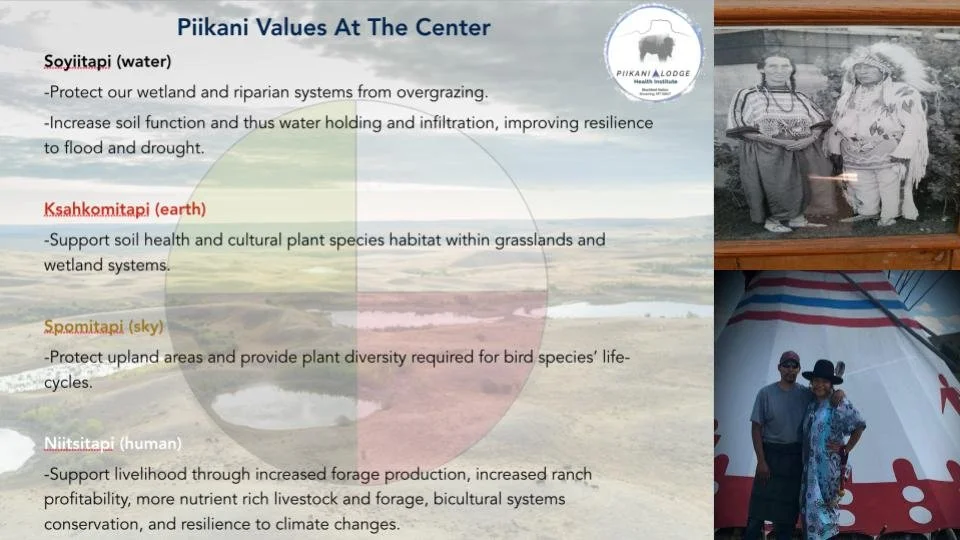
Producer Roadmaps - Navigating Native Land Management
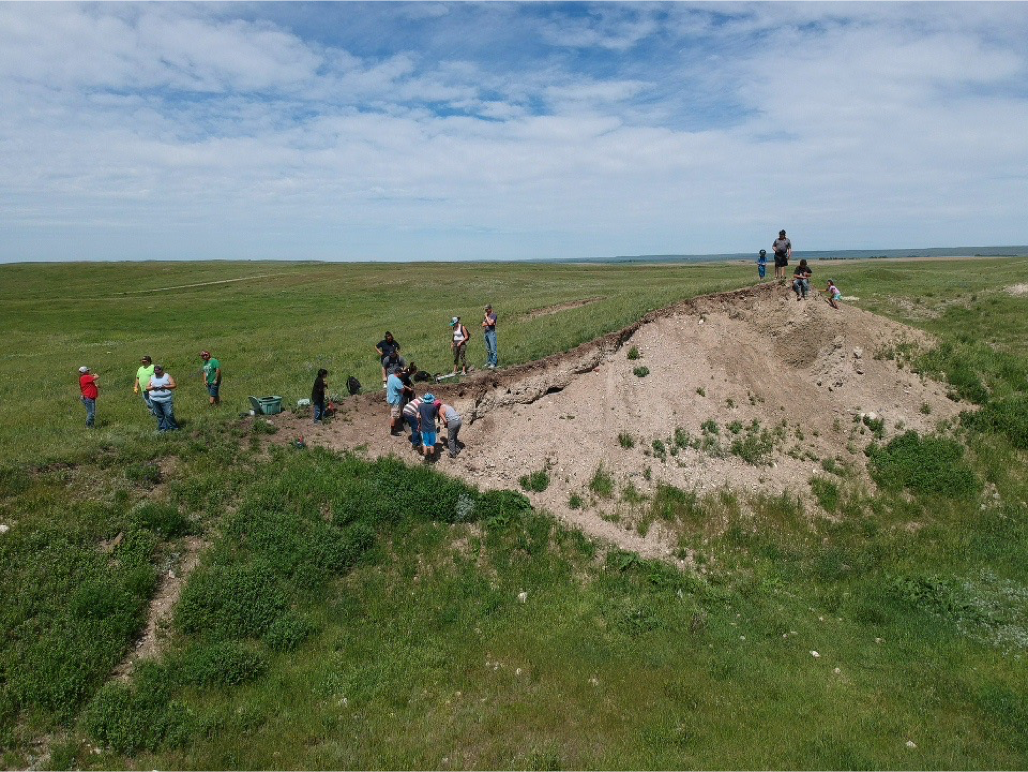
Land tenure problems on the Blackfeet Nation typify patterns of fractionation, checkerboard ownership, and management challenges of allotted reservations all over the western United States. Under an award through the Foundation for Food and Agriculture Research (FFAR), the PLHI-Montana State University Native Land Project team sought to better understand land tenure challenges and well-being through a comparative study of Native vs. Non-Native land managers as they sought to enact changes on their lands. We are using our results to create visual ‘road maps’ as tools for producers interested in navigating these processes with the least amount of time and resource loss. The full PDF is available for download below.
Participate in Piikani Lodge’s Summer Internship Program
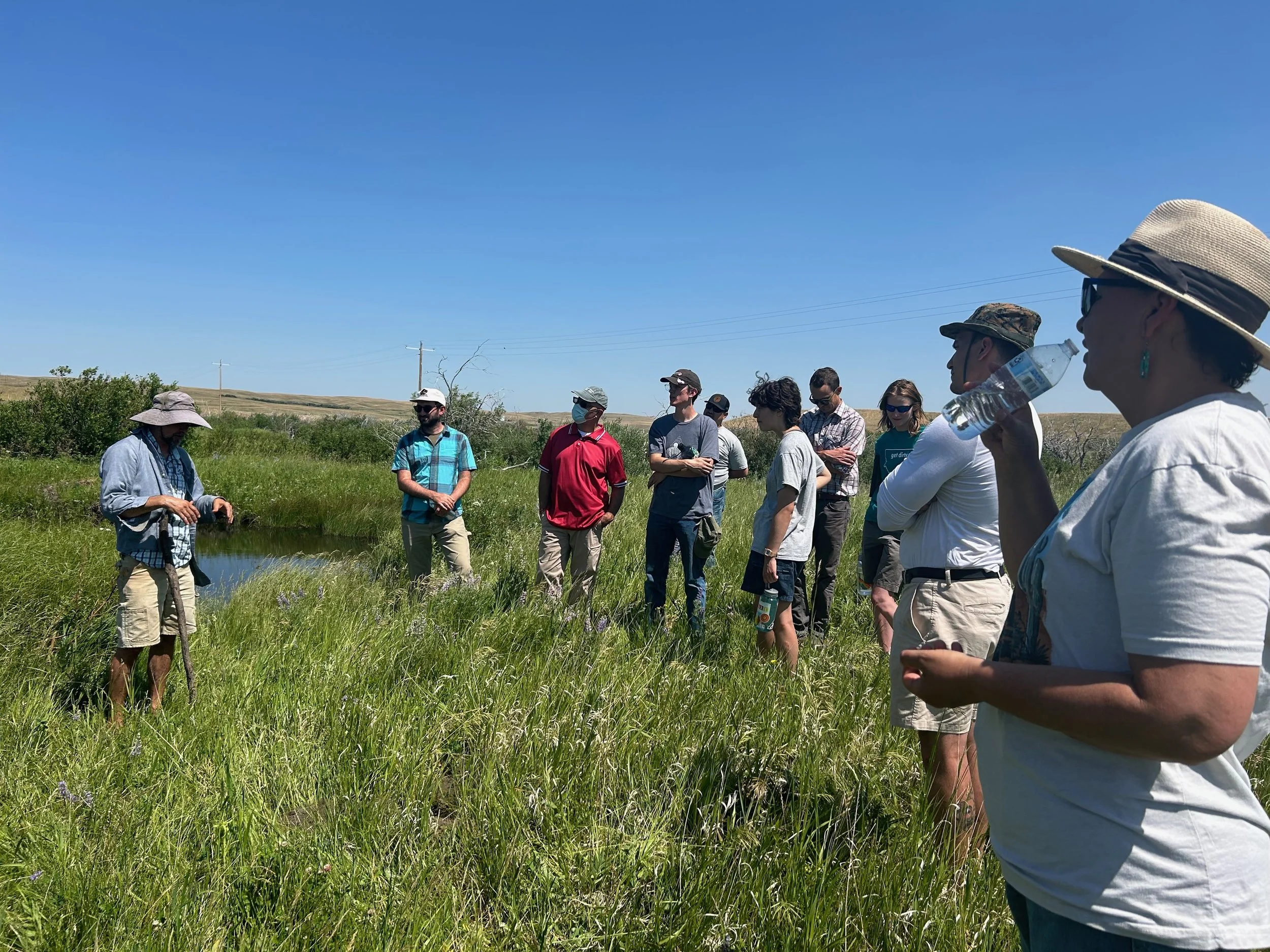
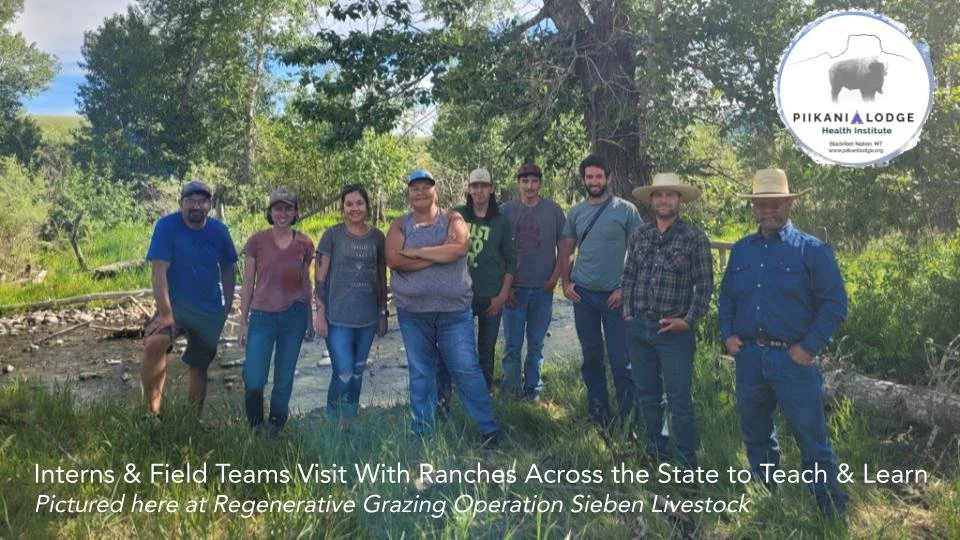
The Piikani Lodge Internship Program brings a cohort of Native youth together each year during the field season for meaningful ‘On the Land’ learning and interaction with peers, elders, and Native role models. Piikani Lodge provides field gear and equipment, competitive wages, and supervised training for youth interested in agriculture and recreation-based careers.
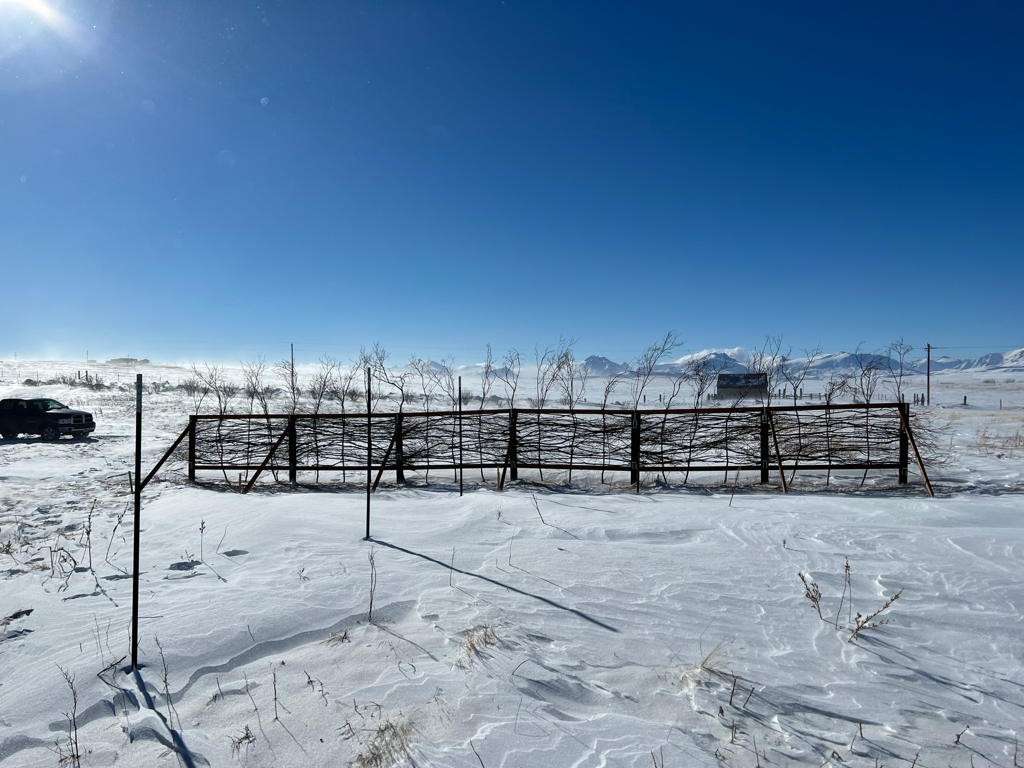
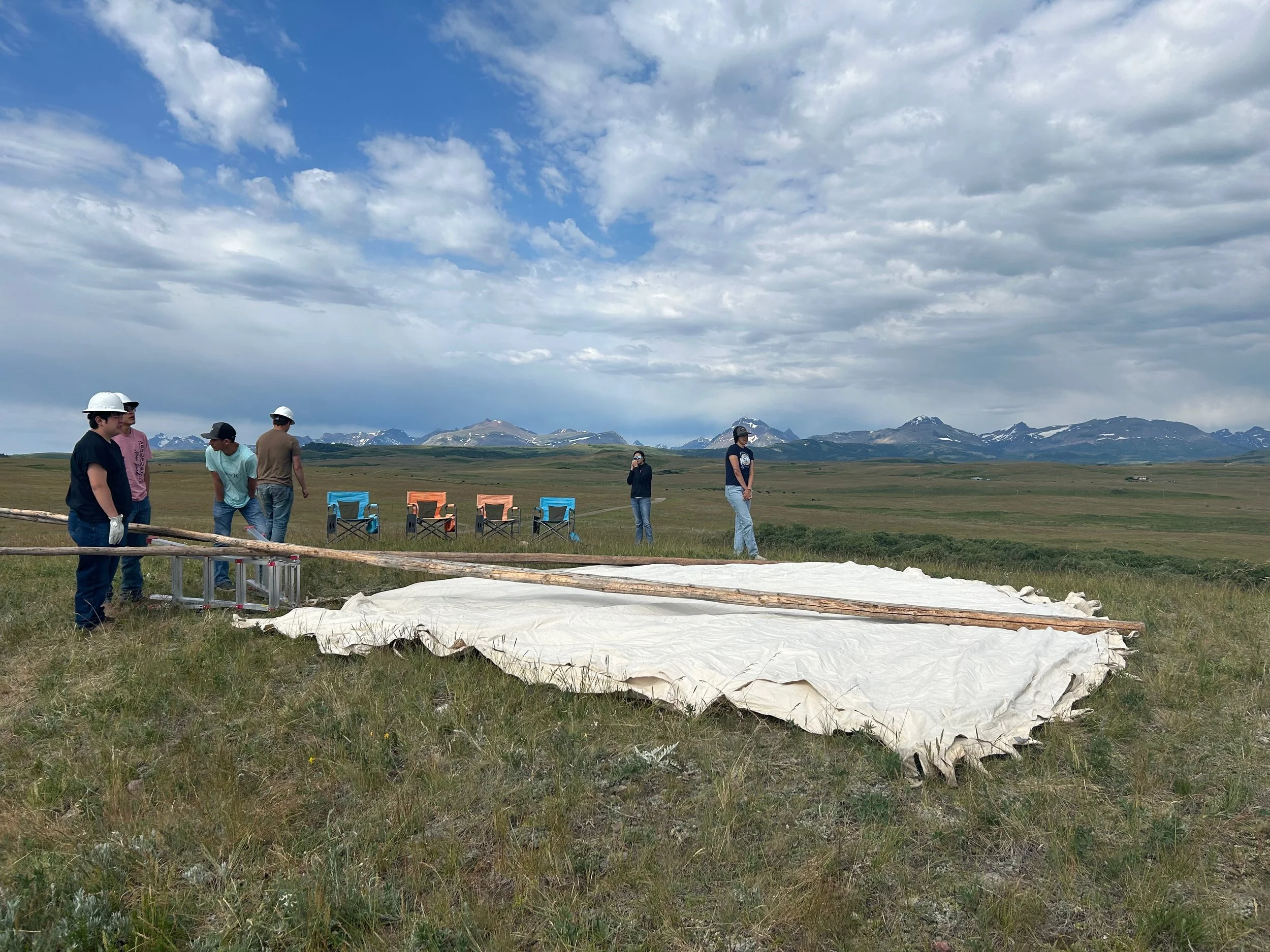
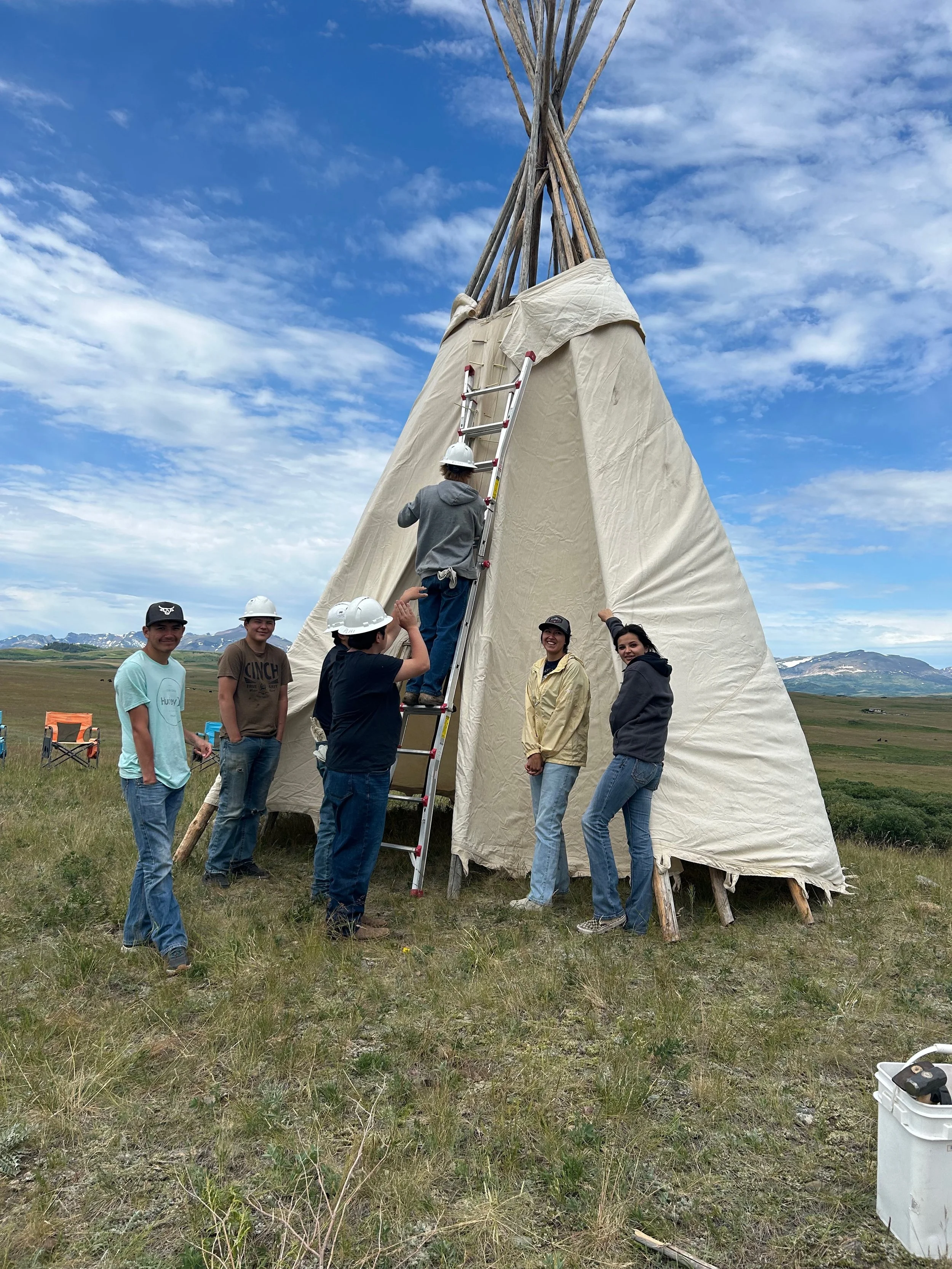
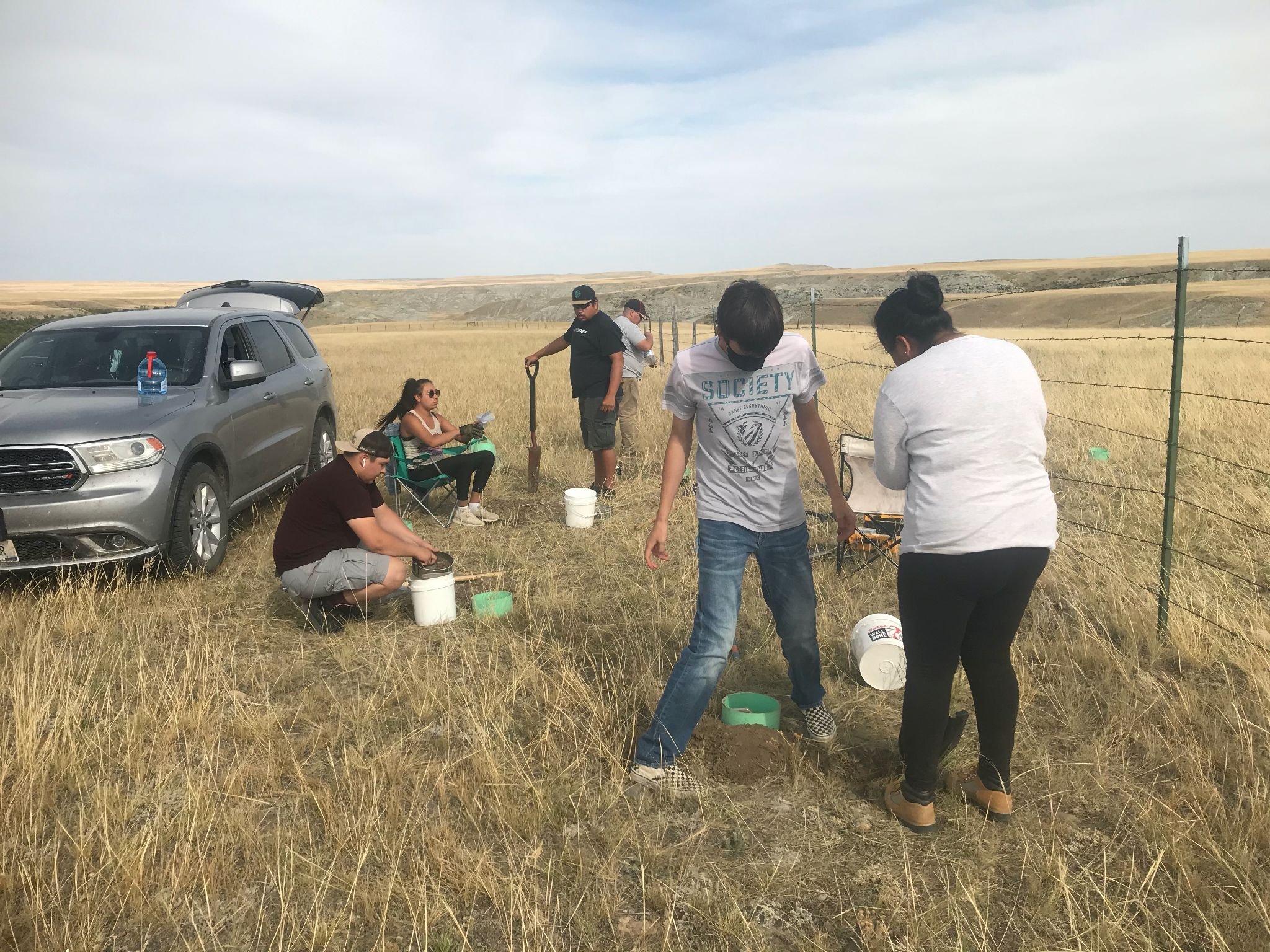
Piikani youth to engage in culturally infused activities ranging from soil moisture and nutrient sampling to beaver dam analogue or snow fencing for moisture retention, to learning how to gather lodgepoles, put up Blackfeet traditional lodges/tipis and to harvest Indigenous foods and medicines. These trainings, blended with elder knowledge-holder wisdom sharing, empower youth and young adults in trades, strengthen identity, and build resilience and hope while promoting holistic wellbeing.
The Piikani Lodge Internship Program has supported a total of 75 Piikani Youth Interns in paid internship programs and provided professional development and mentorship for agriculture and recreation careers.
Piikani Lodge is currently recruiting for the 2026 Field Season. For information on how to apply to this program, reach out to Jaelynn Long Time Sleeping, Intern Coordinator, at jhenderson@piikanilodge.org.
Learn About Piikani Lodge’s Traditional Diet Study
Under a Foundation for Food and Agriculture Research Seeding Solutions award, PLHI launched the “Plains Indian Traditional Diet Study Pilot,” that is now receiving national recognition as evidenced by this recent article in The Guardian: https://www.theguardian.com/artanddesign/2025/oct/23/blackfeet-nation-bison-food-sovereignty-montana. The research completed thus far has led to positive physical and mental health benefits for participants.